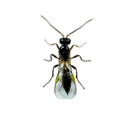
feeding on various pest species. With its effectiveness in pest control and minimal impact on non-target organisms, the natural enemy Macrolophus pygmaeus offers
Biological pest control minimizes the use of harmful chemicals and promotes sustainable agricultural practices that can be implemented in open field crops
growth, making them less susceptible to pests. This not only includes the minimal presence of soil borne pests or diseases, but also well-balanced minerals
reliable partner To be consistent with its philosophy, HyFood needed to minimize its agrochemical applications. To achieve this, the implementation of an
biological control is to reduce the damage caused by these pathogens while minimizing the use of chemical pesticides and their associated environmental risks
safety. These agents do not pose risks to human health or the environment. Minimal resistance against pest and diseases Biological control agents, such as
nematodes like Capirel, is key to controlling bean seed fly infestations and minimizing crop damage. The beneficial nematodes proved to be effective, as the larvae
Ensuring there is enough daylight and maintaining an RH below 80% (to apply minimal ventilation), in combination with heating to a lower humidity and activating
the following precautionary measures and safety instructions. This will minimize the risk of injury or damage. 9 4 Commissioning 4.1 Delivery 1 Transmitter [...] ridges (see figure 4.2). This will prevent bumblebees from escaping and also minimize the chance of getting stung. Operating the receiver Switch on the Wireless
grow crops with minimum dependence on pesticides and fertilizers, hence minimal impact on the planet. With this approach, they achieve more with less and