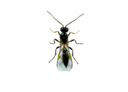
secretions, the parasite will not readily enter very dense aphid colonies. Life cycle and appearance of Aphidius colemani Female Aphidius spp. deposit an egg in
(Ulti-Mite Swirski). They target the egg and crawler stages of the whitefly life-cycle, as well as the first larval stage of WFT.
443 pages of the latest information, dozens of illustrations on the life cycles of insects and 700 photographs on the most prevalent pests, diseases and
nutritional condition of the predator, as well as the size of the prey. Life cycle of Aphidoletes aphidimyza Growers can recognize the different life stages
Starting the light cycle before midnight is known to create problems. Check the moment the flowers close and adjust the light cycle when needed. Energy
synchronize the opening of bumblebee hives with the energy screen and daylight cycle, allowing the bees to fly only when there is sufficient daylight (e.g., between
not feed on leafminers but sustains itself on nectar and honeydew. Life cycle and appearance of Diglyphus isaea Because Diglyphus isaea is an ectoparasite
agent. The adults are not predatory and only need water and sugar. Life cycle of Feltiella acarisuga Growers can distinguish between the various life stages
absence of food, remaining in the crop to await the arrival of new prey. Life cycle of Neoseiulus californicus The developmental stages are the same as for other
the roots provides an open door for future infections The crop enters a cycle of assimilate shortage, leading to subsequent ‘fall-out’ and fruit and flower