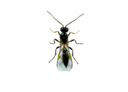
biological control agent against aphid pests. Once the female wasp has laid her eggs inside an aphid, the emerging larvae begin their predatory activity by feeding
specialize in feeding on spider mites across multiple life stages, including eggs, larvae, and adults. Their integration into IPM programs forms the cornerstone
infective indefinitely. However, the bacteria are not transferred to the eggs and immature stages lose the bacteria after moulting. Long distance dispersal
effectiveness as biological control agents. Female gall midges lay their eggs on plant leaves, and when the larvae hatch, they feed on aphids, or spider
five developmental stages, including egg, larva, protonymph, deutonymph and adult. Predatory mites lay their eggs near pest-infested areas. The larvae
c-26 o c; above 35 o c, the life-cycle stops. They are also very prolific egg-layers, giving rapid rise to the next generation. Thrips larvae can also transmit
as onion, corn and cabbage. Bean seed flies damage crops by laying their eggs near plant bases. Hatching larvae tunnel into the soil and feed on roots