root zone in the soil where they feed on the roots. They are legless, roughly 1 mm long at hatching, but grow to approximately 12 mm. A larva is often curled
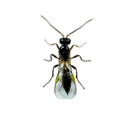
adult insect. Adult females are 3.0-3.6 mm long and the males between 2.9-3.1 mm. They are slender with long legs and antennae. The bugs are green except
the disease control strategy. The use of peroxyacetic acid, e.g. Jet 5, at a 1% v/v dilution, is the nurseryman’s standard disinfectant treatment. Most pathogen
mass and quality During the crucial flowering and pollination period, make 1-2 foliar applications of Vidi Terrum (to meet the high demand for trace elements)
soon after planting of the crop. Introduction rates typically range from 1-10 per m2/release. Releases should be repeated at least 3 times at weekly intervals
attach it to the tree near the first branch with a nail or wire stitch Apply 1 bag per 25 cm stem diameter, maximum 3 bags per tree The dosage of Aphidalia
last 10 years, exports of this fruit have had an average annual increase of 1.8% in volume and 11.4% in economic value, with the main client of Mexican chili
the current practice but plays a key role in plant health and resilience. 1 Introduction Plant health is crucial to achieving the best possible yield [...] nutrients) and gas (air with oxygen, carbon dioxide and other gases) (see figure 1). It is also vital that there are sufficient opportunities for both the solution [...] are significant differences even within each type of soil/substrate. Figure 1: A good soil or substrate has specific physical parameters: balanced portions
insects. Adult stage: Adult Orius laevigatus are small, elongated insects, about 1.4-2.4 millimeters in length. They have a black or dark brown body with white
soon after planting of the crop. Introduction rates typically range from 1-10 per m 2 /release. Releases should be repeated until control is achieved