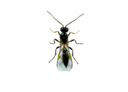
Transeius montdorensis is a species of predatory mite utilized in biological pest control . These predatory mites are known for their effectiveness in controlling pest populations, including thrips ,
The predatory mite Neoseiulus californicus (previously Amblyseius californicus) is commonly used for biological pest control of spider mites . Although Neoseiulus californicus prefers spider mites it
The predatory mite Neoseiulus cucumeris (also called Amblyseius cucumeris ) is widely used for the biological control of thrips in greenhouse crops. These predatory mites feed mostly on first instar t
The predatory mite Phytoseiulus persimilis is by far the most important natural enemy of Two-spotted spider mite (Tetranychus urticae) and has been used in many crops worldwide, mainly in greenhouses,
Outdoor Tips for outdoor pollination Timing Introduce bumblebees to the area 4-7 days before the flowering period begins. The bees will start pollinating as
Bumblebees play a vital role in achieving optimal pollination results for tomato crops. If you are seeking to optimize your crop's pollination process and achieve exceptional yields, harnessing the po
When temperatures drop during the winter months, bumblebees face challenges in surviving the cold conditions to maintain their productivity. We understand the importance of creating the ideal conditio
The challenge of hot temperatures We understand the vital role that bumblebees play in pollination , especially in hot temperature conditions. As temperatures rise, it is crucial to ensure effective p