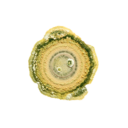
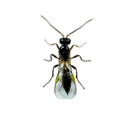
Pests Larvae of various species of thrips (first and second larval stages); eggs and larvae of greenhouse whitefly ( Trialeurodes vaporariorum ) and tobacco whitefly ( Bemisia tabaci ). Crops Do not u
health . ‘A healthy plant is far more resilient and can withstand pest infestations far better. It’s a winning combination and gives us the best results
diseases allows for timely intervention, reducing the risk of widespread infestations or outbreaks. Monitoring involves recording data on pest and disease
and 6°C until use 25 2. Start applications at the first sign of pest infestation 20 3. Use an appropriate amount of water to ensure a good wetting of
this increasingly effective solution for biocontrol of specific pest infestations. In recent years, one of the most successful innovations came in the
and resilient. We achieve this by using natural enemies to combat pest infestations, microorganisms to control pests and diseases, bumblebees for natural