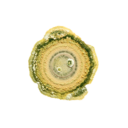
Trianum showed a strong reduction of Fusarium wilt , with a 78% decrease 10 days after inoculation. Additionally, Trianum has proven effective in numerous
thrips are detected in the crop. Introduction rates typically range from 0.5-10 per m2/release. Releases should be repeated once or twice. Consult a Koppert
slender stalk. Larval stage: Green lacewing larvae of Chrysoperla carnea are 2-10 mm long. They have large, forwardly projecting jaws and well-developed legs
government decides that certain traditional methods can no longer be applied. "10 years ago, organic farming was miles ahead in terms of sustainability and
morning till late at night and also at relatively low temperatures (approx. 10°C) or during more cloudy or windy conditions. Bumblebees are more effective
soon after planting of the crop. Introduction rates typically range from 1-10 per m 2 /release. Releases should be repeated until control is achieved. At
aphids are detected in the crop. Introduction rates typically range from 1-10 per m 2 /release. Releases should be repeated at weekly intervals until control
after casing. Environmental conditions Steinernema feltiae is active between 10-31°C/50-88°F but performs best at temperatures between 14-26°C/57-79°F Soil
conditions. Trichoderma harzianum T-22 grows in a wide temperature range (10-34°C/50-93°F), at a pH between 4 and 8, in many types of cultivation media
biocontrol agent Optimum growing conditions over a wide temperature and pH range (10-34 o C and pH 4-8.5) Gives protection to cuttings, seedlings and plug plants