aphids . They use their strong jaws to grasp and consume aphids at a high rate. The larvae are highly mobile and actively seek out aphid colonies, helping
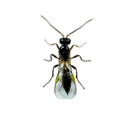
parasitic wasps Eretmocerus eremicus and Encarsia formosa , at high introduction rates for the first 4-6 weeks of growing, prior to the first spacing. After spacing
monitoring the level of pest present, will aid the calculation of the correct rates of natural enemies required. For further information please contact your
introduction preventively soon after planting of the crop. Introduction rates typically range from 1-10 per m 2 /release. Releases should be repeated until
introduction preventively soon after planting of the crop. Introduction rates typically range from 0.25-4 per m 2 /release. Releases should be repeated
introduction as soon as the first aphids are detected in the crop. Introduction rates typically range from 1-10 per m 2 /release. Releases should be repeated at
consideration and deliberate interventions to achieve optimal pollination rates. In this article, we will delve into the unique aspects of pollination in
as soon as the first spider mites are detected in the crop. Introduction rates typically range from 0.25-25 per m2/release. Releases should be repeated
introduction as soon as the first pests are detected in the crop. Introduction rates typically range from 25-300 per m2/release. Releases should be repeated once
Spidex Vital ® shaker system, but for greater accuracy in terms of application rate and distribution, the use of the Mini Airbug® or larger Airbug® is advisable