removed, especially if finer than 0.3 mm (50 mesh) Use a maximum pressure of 20 bar/290 psi (on nozzle) The spray nozzle opening should be at least 0.5 mm
longer. The hive design developed over the years helps bumblebees to save 20% of the energy usually spent on cooling and heating the hive. High quality
applied with the adjuvant Addit ) and temperatures between 18-28 o C (optimum 20-25 o C) To ensure maximum germination of spores, and hence the highest possible
reduce the source of inoculum Use hot water treatment of dormant cuttings (20 minutes at 50 °C or 180 minutes at 45 °C) Prune diseased branches or whole
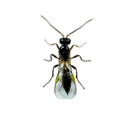
parasitic wasp Encarsia formosa is most effective at temperatures between 20°C and 25°C (68 and 77°F). At a 24 hours average temperature below 17°C/63°F
is more effective than the parasitic wasp Miglyphus at lower temperatures (<20°C/68°F). When temperatures rise, Minusa can be supported by Miglyphus . Behaviour
Aphidius colemani The parasitic wasp Aphidius colemani is most effective between 20 and 25°C (68 and 77°F). The effectivity is reduced at temperatures above 30°C/86°F
aphidimyza The gall midge Aphidoletes aphidimyza is most effective between 20 and 30°C (68 and 86°F), effectivity decreases significantly at higher temperatures
environmental conditions. To evaluate pollination progress, collect approximately 20 closed flowers from different areas. It is essential that all closed flowers
times at weekly intervals or until control is achieved. At low temperatures (<20°C/68°F) it might be better to use Minusa . Consult a Koppert advisor or a